concentration camps and nazism in germany
The Nazi regime in Germany (1933–1945) established a vast network of concentration camps and ghettoes to imprison, exploit, and exterminate perceived enemies. From the very moment Hitler came to power on January 30, 1933, the Nazis transformed Germany into a one-party dictatorship. They implemented racial laws (1935 Nuremberg Laws) and increasingly radical anti-Semitic policies. In November 1938 the “Night of Broken Glass” (Kristallnacht) saw Nazi-organized pogroms across Germany: synagogues and Jewish businesses were destroyed, and about 26,000 Jewish men were arrested and sent to camps. This marked a sharp escalation in Nazi persecution of Jews.
On March 22, 1933 the SS opened the first regular concentration camp at Dachau, near Munich. Dachau served as a model and training center for all later camps. Over the years 1933–1945 over 200,000 prisoners were incarcerated at Dachau, of whom at least 40,000 died.
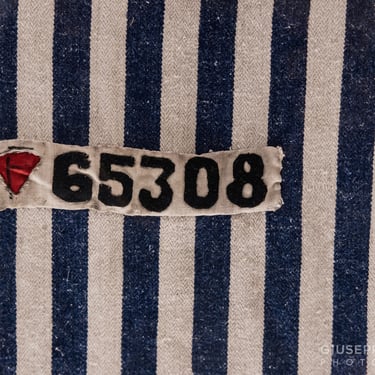
The regime then built many more camps: Sachsenhausen (1936), Buchenwald (opened July 1937), Ravensbrück (1939, mostly women), Neuengamme (1938), and others. Each main camp had scores of labor satellite camps where prisoners, including political dissenters, Jews, Romani, Jehovah’s Witnesses, homosexuals, and others, endured forced labor, starvation, disease and brutality.
By 1945, the SS reported over 700,000 prisoners in the concentration camp system. Overall, millions of people were imprisoned in Nazi; notable figures include about 1.1 million murdered at Auschwitz alone.
With the outbreak of World War II (1939–1945), the Nazis intensified their crimes. In occupied Poland they established extermination camps (e.g. Belzec, Treblinka, Sobibor, Auschwitz) where mass gassings took place. The Wannsee Conference (January 20, 1942) formally coordinated the “Final Solution” – the systematic genocide of the Jews of Europe. Even as Germany began to lose the war, the Nazis forced prisoners on “death marches” westward to evade the Allies. Throughout this period, Nazi camps remained centers of torture and murder. By May 1945 roughly 6 million Jews had been killed in the Holocaust, along with millions of others (Slavs, political prisoners, Roma, disabled, etc.).
Finally, as Allied armies invaded Germany in 1945 they liberated the camps.
Dachau concentration camp prisoners celebrate liberation by American troops, April 1945. For example, on April 29, 1945 U.S. forces of the Seventh Army liberated Dachau, finding about 30,000 starving prisoners. Other camps fell similarly: Buchenwald was freed on April 11, and Bergen-Belsen was liberated by British troops on April 15, 1945, with about 55,000 survivors. The discovery of the camps, with their scenes of atrocity, became emblematic of Nazi crimes. Germany formally surrendered on May 8, 1945, ending the Nazi regime. In the aftermath, the concentration camps were dismantled and turned into memorials to the victims.
Main concentration camps in Germany
Dachau
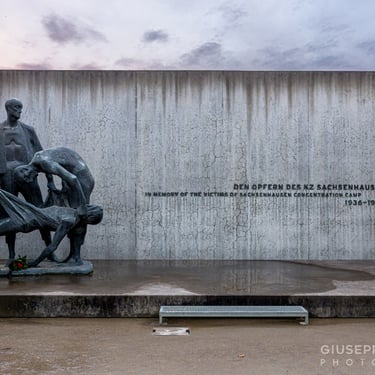
Sachsenhausen
Buchenwald
Flossenbürg
Neuengamme
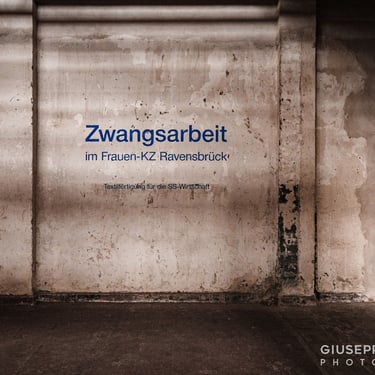
Ravensbrück
Scope
Total prisoners: over 17 million
Total victims: over 6 million
Camps and subcamps: more than 44,000
For more info: https://encyclopedia.ushmm.org/
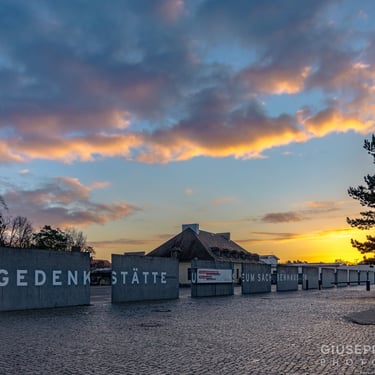
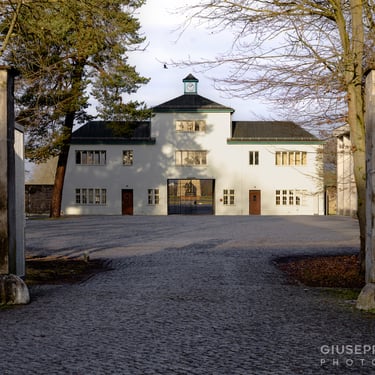
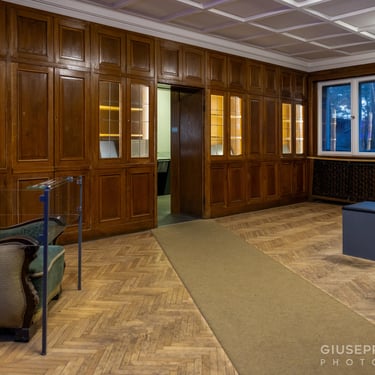
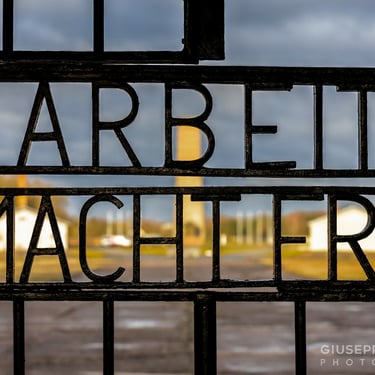
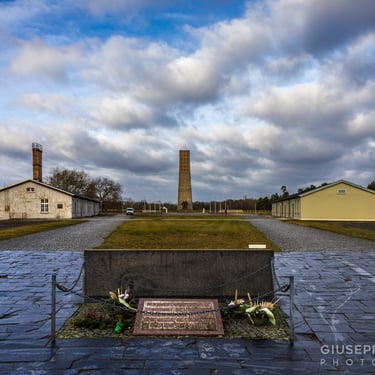
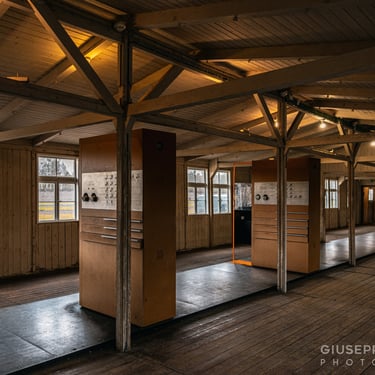
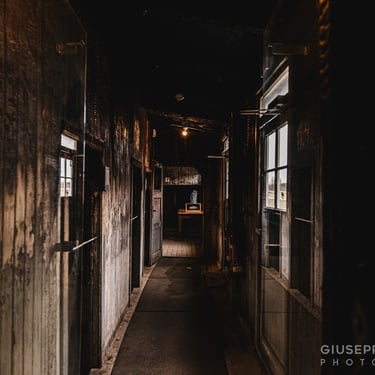
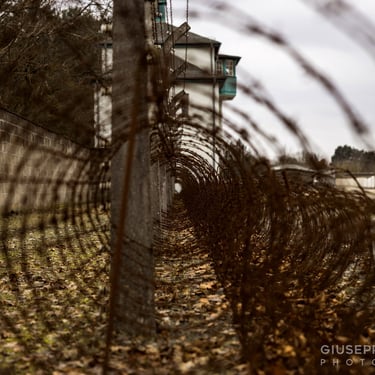
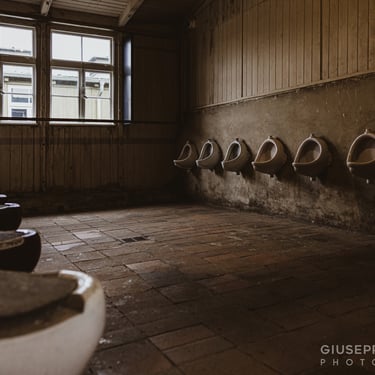
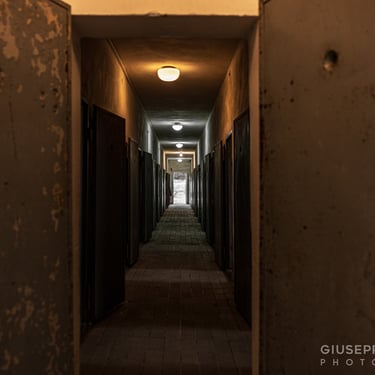
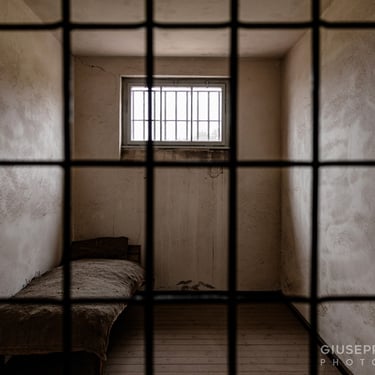
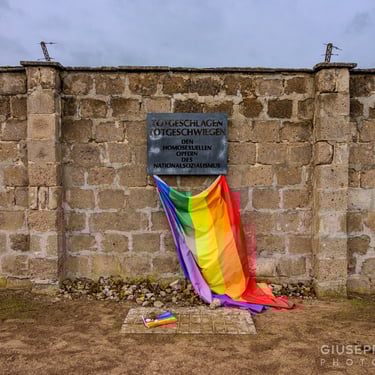
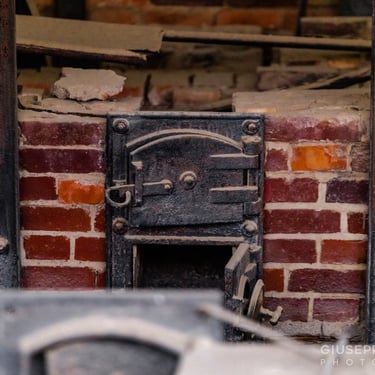
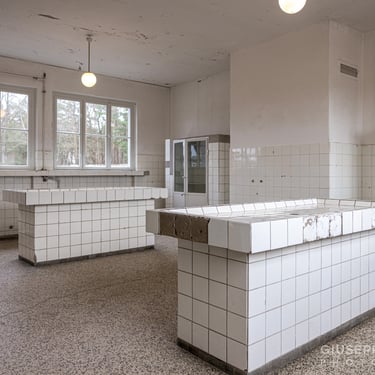
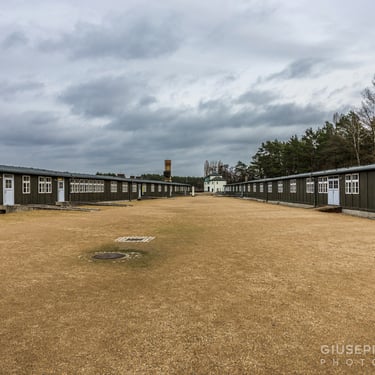
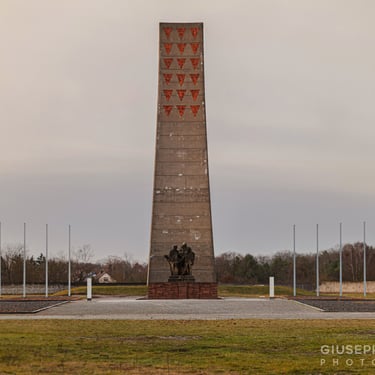
© 2026 Giuseppe Mazzola All Rights Reserved
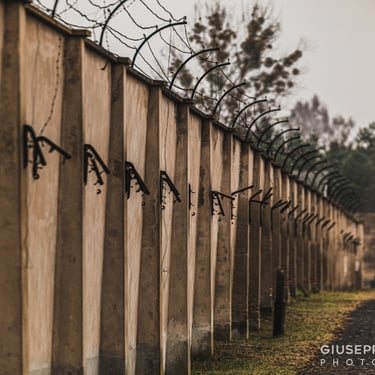
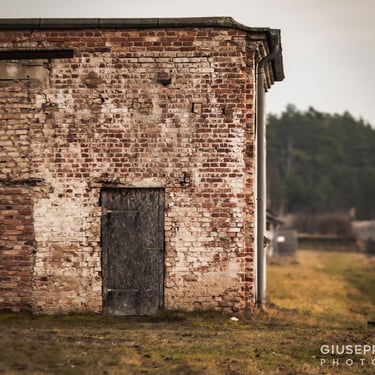
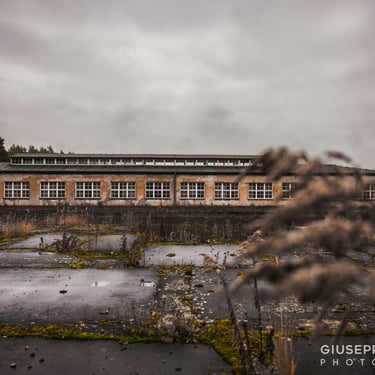
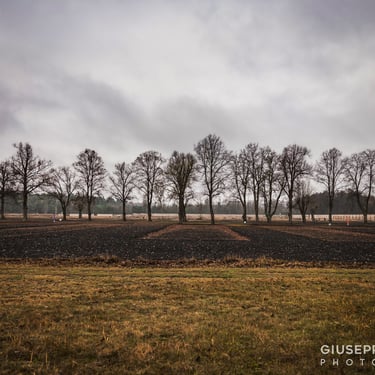
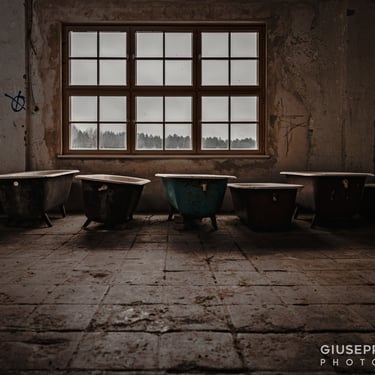
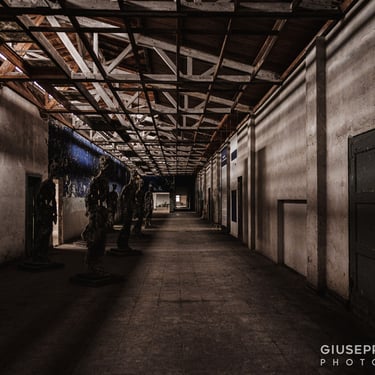
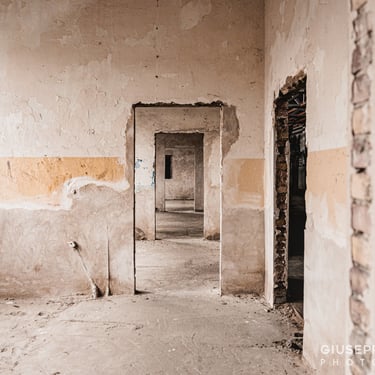
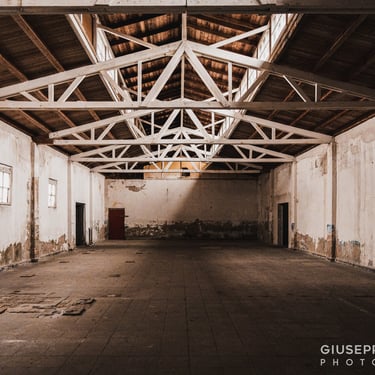
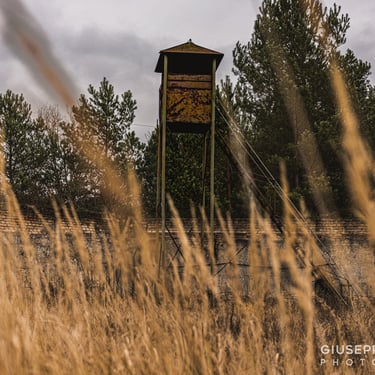

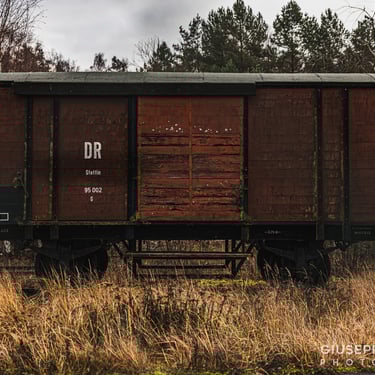
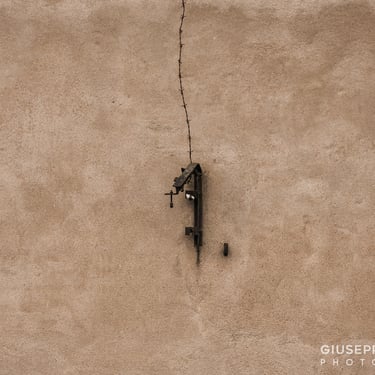
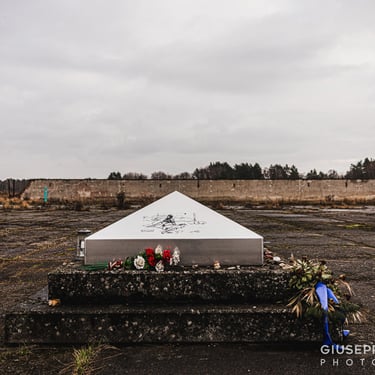
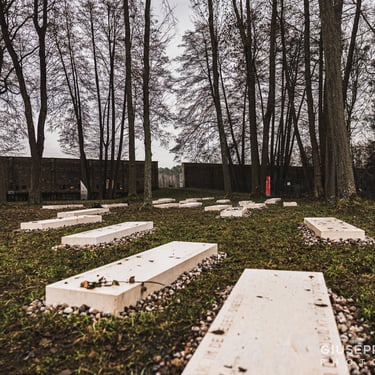
Sachsenhausen Concentration Camp: Timeline and Political-Historical Context (1933–1945)
1933 (March) – Establishment of the Oranienburg concentration camp in a former brewery for political prisoners.
1935 – Closure of the first Oranienburg camp.
1936 (12 July) – Official opening of Sachsenhausen concentration camp under SS authority.
1937–1938 – Expansion of the camp; incarceration of so-called “asocials,” criminals, Roma and Sinti, homosexuals, and Jehovah’s Witnesses.
9–10 November 1938 (Kristallnacht) – Approximately 6,000 Jewish men arrested across Germany are imprisoned in Sachsenhausen.
1938 – Relocation of the Inspection of Concentration Camps to Oranienburg; Sachsenhausen becomes the administrative and ideological center of the camp system.
1 September 1939 – Outbreak of World War II; mass arrests of Polish citizens begin.
1940 (January) – First documented mass killings within the camp.
1941 (Summer–Autumn) – Deportation of over 13,000 Soviet prisoners of war; at least 10,000 are executed by gunshot to the neck or killed in gas van experiments.
1942 – Construction of Station Z, the camp’s killing facility, including execution chambers and a crematorium.
1943 – Installation of a gas chamber at Station Z.
1944 – Arrival of prisoners evacuated from other camps; significant increase in inmate population.
21 April 1945 – Evacuation of approximately 33,000 prisoners during death marches.
22–23 April 1945 – Liberation of Sachsenhausen by Soviet and Polish troops.
For more info: https://www.sachsenhausen-sbg.de/
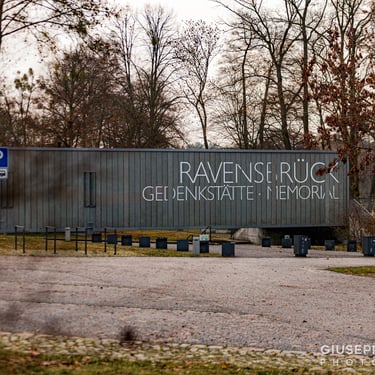
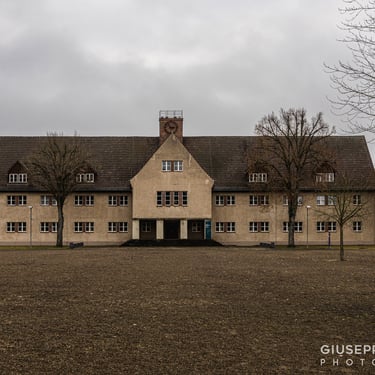
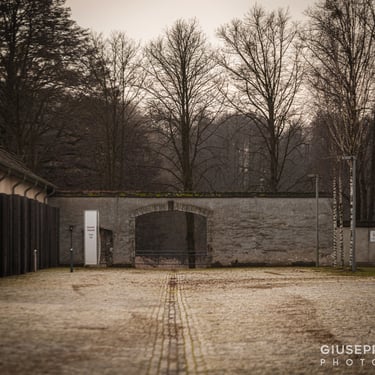
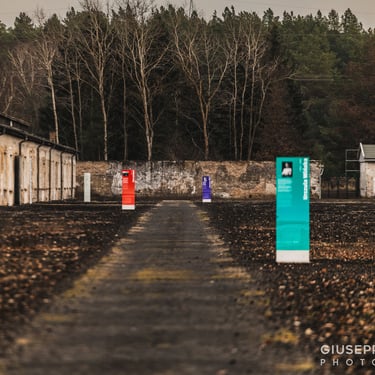
Ravensbrück Concentration Camp: Timeline and Political-Historical Context (1933–1945)
Ravensbrück was the largest Nazi concentration camp primarily for women.
The camp included: the main women's camp, a men's camp (since 1941), a youth camp (Uckermark), over 40 subcamps.
1933–1938: Nazi consolidation of power; creation of early concentration camps.
Construction began in 1938, near the village of Ravensbrück, close to Fürstenberg/Havel, about 90 km north of Berlin.
The camp was ordered by Heinrich Himmler, Reichsführer-SS.
15 May 1939: Opening of Ravensbrück with the transfer of approximately 900 women prisoners from the Lichtenburg women’s camp.
1939–1941: Arrival of Polish, Czech and German prisoners.
1941: Deportation of Jewish women; establishment of a men’s camp.
1942–1943: Medical experiments conducted on prisoners.
1944: Severe overcrowding; forced labor for German industry.
February 1945: Construction of a gas chamber.
April 1945: Death marches.
30 April 1945: Liberation by the Red Army.
Between 1939 and 1945, approximately 132,000 women, 20,000 men, and 1,000 children passed through Ravensbrück. Estimates indicate between 50,000 and 90,000 deaths.
For more info: https://www.ravensbrueck-sbg.de/